


An odd thing it is, to sneeze. Even the word itself has a peculiar way of forming in one's mouth. The strangest aspect about it, though, is what occurs after the sullied air passes from the nostrils and is released upon the world. That is, the phrase, “bless you.” An automatic thing to respond with. Doesn’t seem to matter where you are or what act is occurring; if a sneeze is let loose, all around turn with a sudden, gathered one-mindedness to be the first to utter the polite turn of phrase. The exchange happens with loved ones and strangers alike, at dentists' offices and on buses, on the couch or in the striking silence of a library. A cough may receive a concerned glance. A hiccup is generally ignored. And the other bodily functions? Well. Those are probably best left unacknowledged.
There is, of course, a reason for this distinction. Sneezing, unlike most of its corporeal counterparts, has historically been regarded as something of an omen. Before the times of WebMD or Google, this abrupt spraying of air was not understood as an allergic reaction or the result of bothersome bits of dust. Depending on who you asked, it was seen as a sign of an oncoming—and typically deadly—illness, a marker of supernatural interference, or even a threat to someone's physical existence. So naturally, such escalating events gave cause for something more substantial than a polite nod.

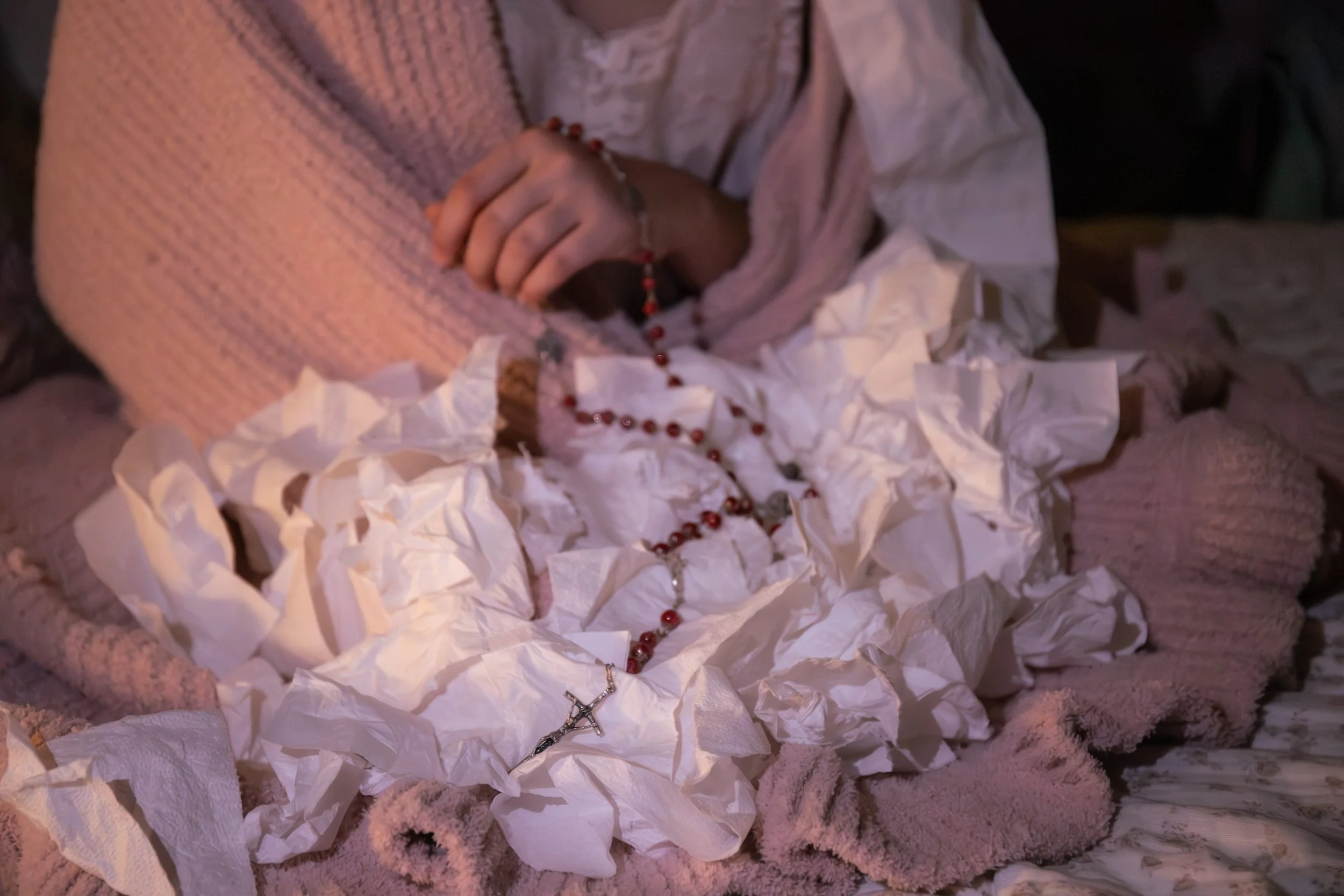
One of the most popular explanations traces the saying all the way back to the sixth century, when an outbreak of the bubonic plague raged through Rome. Sneezing was thought to be the first indication of the disease, and Pope Gregory I is credited with encouraging the faithful to offer blessings to those who sneezed. Just in case, you know, they died. The idea seems straightforward: if a sneeze was widely accepted as a sure path to the unliving, a prayer for divine protection seems just the thing to offer. Whether or not Pope Gregory actually instituted the custom, though, is another matter. The story has been repeated for centuries, but the precise origins remain a mystery.
The plague is not the only explanation offered. There are a plethora of other peculiar superstitions, a grand assortment one can pick and choose from. Some believed the violent disruption of air was so strong it could carry the soul out with it, leaving the body momentarily unoccupied. Others held the fear that sneezes actually rid the body of evil spirits, so the blessing was bestowed to protect both the sneezer and the sneezed on. Even the heart was not spared from speculation; there is a longstanding myth that suggests that the heart momentarily stops during a sneeze, making the custom of blessing a sort of greeting, as those who finish sneezing have just been resurrected. None of these different explanations hold much scientific weight—about as much as a soul allegedly weighs—but they certainly reveal one's perception of the act. What is now known as an involuntary bodily reflex was once treated as something deserving of intervention, divine or beyond.

The phrase, as we rehash it today, could actually be considered the slang version. The full comment used to be “God bless you,” a sentence with quite the Christian undertone. Some people still say the whole thing, but more often, the omission of God prevails. Still, the saying retains its religious undertones, and yet, people say it regardless of religion. Its flippancy is the norm, the polite thing to do. When you truly think about it, because of how ingrained the saying is socially, it's almost more strange not to say it. The awkward silence that permeates post-sneeze is frankly unbearable, with most preferring to invoke God rather than sit through the uncomfortable.
Perhaps, in this way, the blessing no longer functions at the religious level, but the purpose of serving socially. It gives us something to say. An unspoken obligation, one we aren’t directly taught to give, but a parroted trait we reuse. No one sat down and explained the origins of the exchange; we just all know to say it. We inherit behaviors without inheriting all the history and context that goes along with it. It becomes more than a saying, but a tradition, a legacy driven forth by constant repetition. The original reasons may not be the same today, but the verbal reflex persists, surviving on the wind that blows allergy-inducing pollen.
The comment draws a fine line between ritual and etiquette, though some may argue those two things are one and the same. The pleasantness of the response as it currently stands is something to be remarked upon. In a time when manners are few and far between, the small, unimposing exchange is a cultural marker that everyone can partake in. The community that rises with an expulsion of air is quite sweet, in a way. Of course, that same community is scattered when air comes from anywhere but your nose, so to speak. But still. Bless you.
Written by Mattie Johnson, Photography: Savannah Lee, Styling: Nicola Chukwuemeka, Digital Media: Reece White