

Diversity in the New Generation
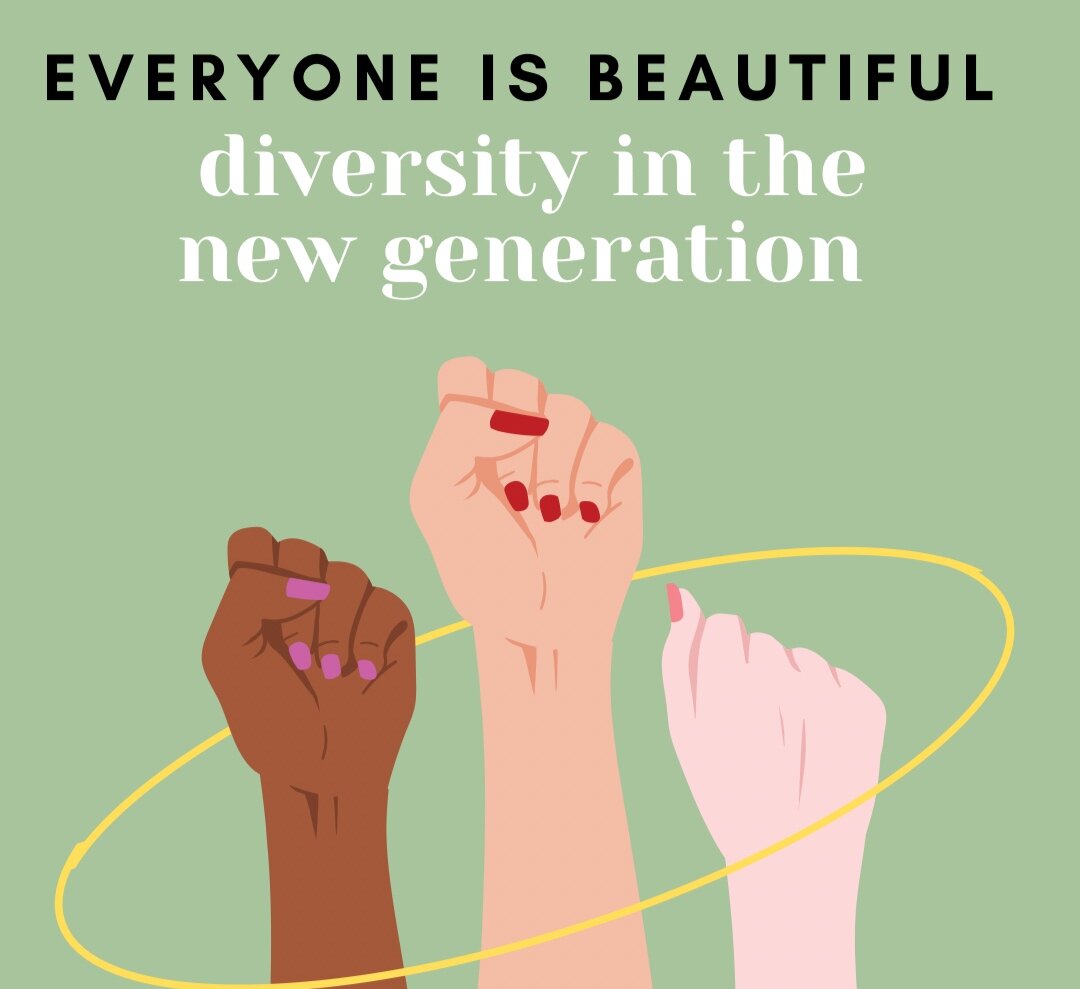
Written by Shaiza Gudda and Ashley Alvarado, Photography by Flora Patteson & August Nennmann, Design by Shelby Sutton, Media by Gabbie Ayala
Picture this: I’m sitting in the middle of a toy aisle, stacking boxes of Barbie dolls, looking at each one closely. This experience might look mundane to some, but to me, I felt like I was experiencing a new beginning.
I was never one of those children that played with dolls, but as I got older, I experienced the limitation and exclusion of specific features from the world’s portrayal of beauty. In Pakistan, there is a huge focus on skin tone. Colorism, the discrimination of darker skin tones within a single group of people, is quite common in Pakistan. Whether it be from TV, books, fashion, weddings, or everyday life, having fair skin has been engraved in many people’s minds since a young age. Products such as ‘Fair & Lovely,’ now renamed as ‘Glow & Lovely’ recently due to backlash, that are meant to lighten one’s dark skin, further solidifies the notion that darker skin is considered “undesirable.”
“I want them to see how from their skin and their hair to the clothes that they wear: there is beauty in all of it. ”
My family has a large range of skin tones and I have many young female cousins. When it comes to finding toys and other representations for children, there aren't many options. In fact, if you go to any Pakistani store, the majority of dolls available will be blonde and fair-skinned —nothing else. Disney princesses of color aren’t known well either. Many people may think that simple things, such as dark-skinned dolls, don't mean much, but it weighs heavily in adding more representation to our daily lives.
When buying dolls for my cousins, I specifically look for dolls with tan and darker skin. I want them to have a doll that looks like them. I want them to see how from their skin and their hair to the clothes that they wear: there is beauty in all of it.
Lately, there’s been a shift in children’s media and toy products. Many get offended by this change, arguing that representation isn’t realistic or necessary. However, when a child sees themselves on the screen, they see themselves as accepted. This then teaches these children that who they are is something to be proud of. We still have a very long way to go, but there seems to be a growing push for having individuals be accurately portrayed. It’s interesting to think about how different my childhood was compared to the new future that my cousins might experience in this world. We should teach our children the importance of loving everyone, to stand up for anyone who should be embraced, accepted, and represented in their own right.