

Romance & Ruin
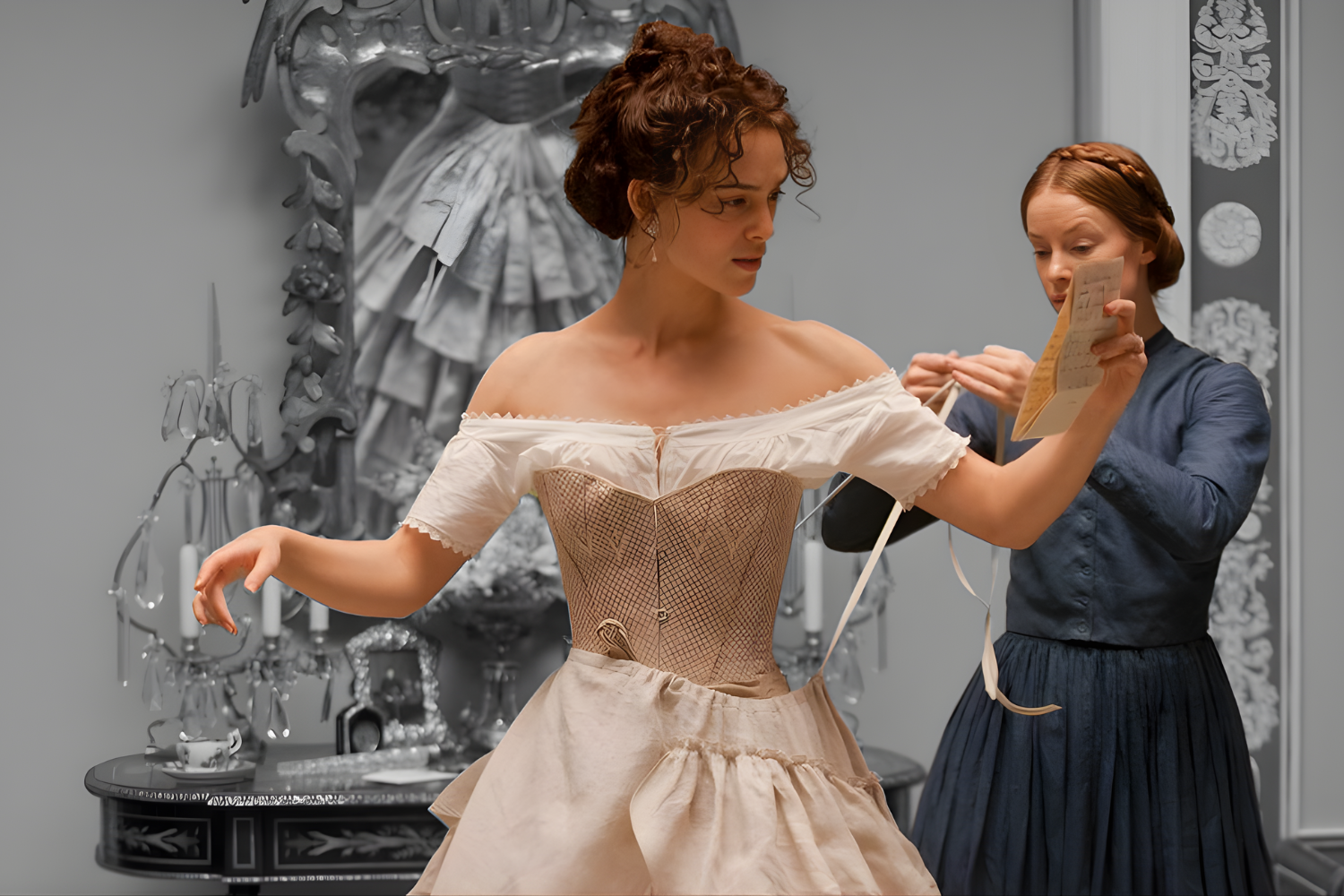
When it comes to costume design, Jacqueline Durran operates in a charged tension between romance and realism, devotion and distortion. Treating costume as a narrative language rather than a strict historical record, she has built a career transforming characters through clothing that balances artistic intuition with emotional precision. Durran’s designs are rarely concerned with fidelity to the past; instead, they exist to illuminate character, externalizing desire, restraint, and status. From the iconic green dress in Atonement (2007) to the hyper-symbolic wardrobes of Barbie (2023), along with films such as Eyes Wide Shut (1999), Pride and Prejudice (2005), Anna Karenina (2012), Little Women (2019), 1917 (2019), and The Batman (2022), Durran’s resume reads as a masterclass in storytelling through dress.
Durran’s approach to costume design has always been less about reproduction and more about resonance. Her stylistic signature often involves a balance between texture and narrative: the soft weight of silk suggesting vulnerability, or the crisp rigidity of tailored pieces hinting at control and restraint (which we should expect to see a lot of in Wuthering Heights). She plays with color in a way that feels synesthetic, allowing palette choices to echo a character’s emotional trajectory rather than historical convention. In Pride and Prejudice (2005), for example, the gentle pastels of Elizabeth Bennet’s dresses were not mere period accuracy, but visually narrated her independence and vivacity within the time’s social structure. Similarly, in Little Women (2019), Durran’s layering of fabrics and subtle shifts in hue provided a tactile sense of the March sisters’ evolving identities, marking transitions from innocence to experience without a word of dialogue. In Atonement (2007), Cecilia’s revered, flowing, bright green gown has "unbelievably resonated” with audiences as a symbol of desire and vulnerability, its vividness amplifying an intimacy that propels the storyline towards its climax.
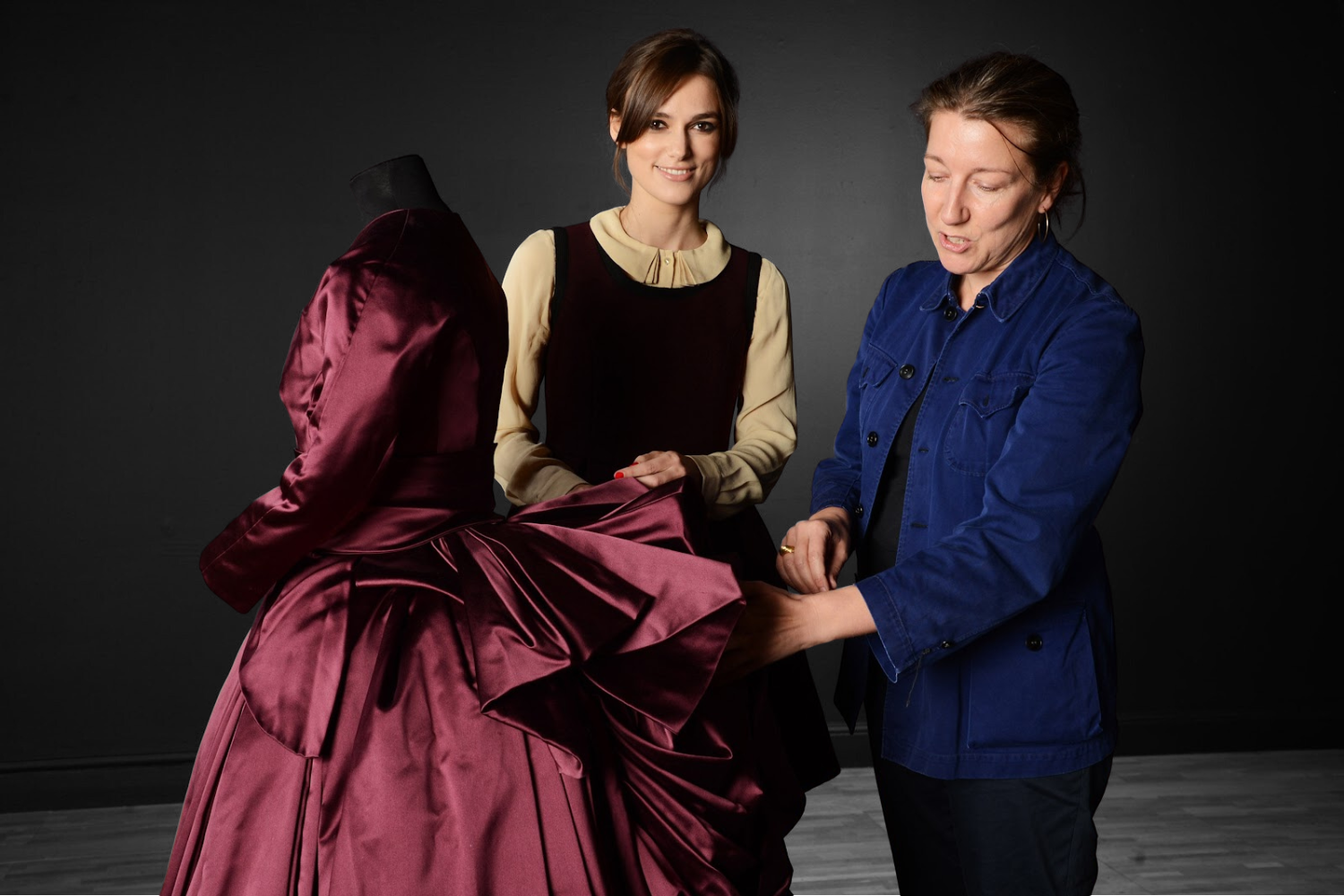
In 2013, Jacqueline Durran won the Academy Award for Costume Design for her work on the 2012 film Anna Karenina, marking her first win after two previous nominations. The film was directed by Joe Wright and starred Kiera Knightly, both frequent collaborators in Durran’s career. Durran would later win her second Oscar for Little Women (2019), leaving her with a total of two wins and nine nominations across her career thus far and establishing her as one of cinema’s most successful costume designers of all time.
Despite her long list of award-winning work, what has been drawing the most attention from both cinephiles and the fashion world alike is Durran’s next major project, which takes us back to the late 18th century. An adaptation of a literary classic, Emerald Fennell’s upcoming Wuthering Heights (2026) is already proving divisive. With the original novel’s cult-like following, any changes invite close scrutiny. Set to release on February 13th, right before Valentine’s Day, the film has already sparked plenty of praise and criticism, particularly around its costuming. Described by Vogue’s Radhika Seth as a “fantastical fever dream,” Wuthering Heights takes an old classic and gives it a contemporary feel, keeping audiences guessing and constantly subverting expectations. No matter the performance, costuming always serves as a way to gain insight into a character, using exterior to show us their emotional interior. With comically large fruits, high-shine fabrics, see-through gowns and lots of latex, Jacqueline Durran has not held back when it comes to personal artistry, and has confirmed that the film’s costuming will not be historically accurate, and instead has made the choice to pick “images or styles that [they] like for each character.” This is right on track for Durran, often crafting outfits for characters that don’t belong to their own world, but to ours, serving as a way to immerse the audience in the film’s reality by merging the two worlds into one.
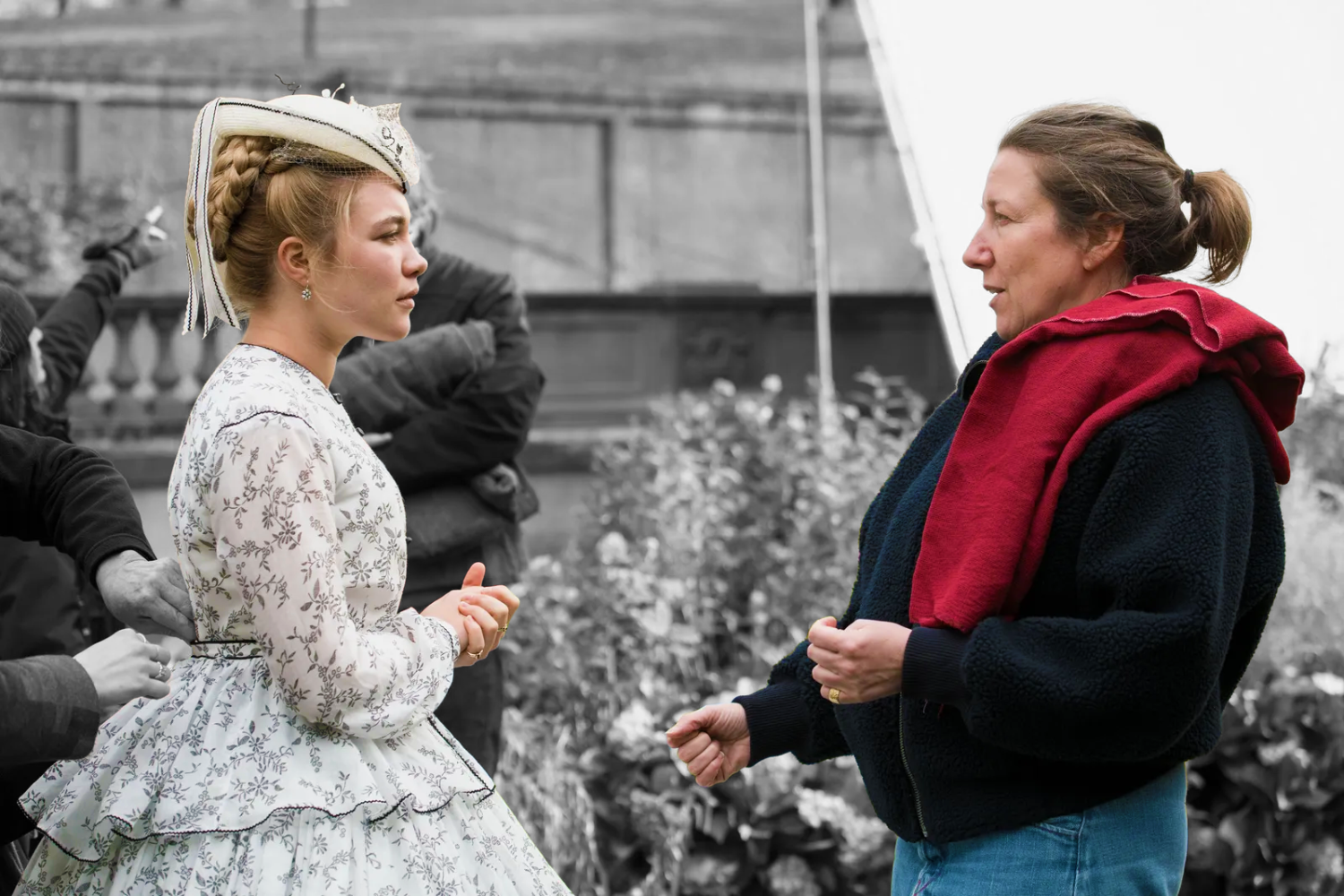
In addition to the Wuthering Heights release this month, Durran has exciting things happening in the next couple of years, including costuming Greta Gerwig’s Narnia: The Magician’s Nephew (2026) and Matt Reeves’ The Batman: Part 2 (2027). With each project, Durran continues to redefine what costume design is as a craft—not merely adornment, nor purely functional, but an active participant in storytelling. As she moves forward through intense and polarizing press regarding upcoming projects, Jacqueline Durran’s fearless creativity is precisely her strength.
Written by Lillian Glassmoyer, Design: Jelena Nguyen