

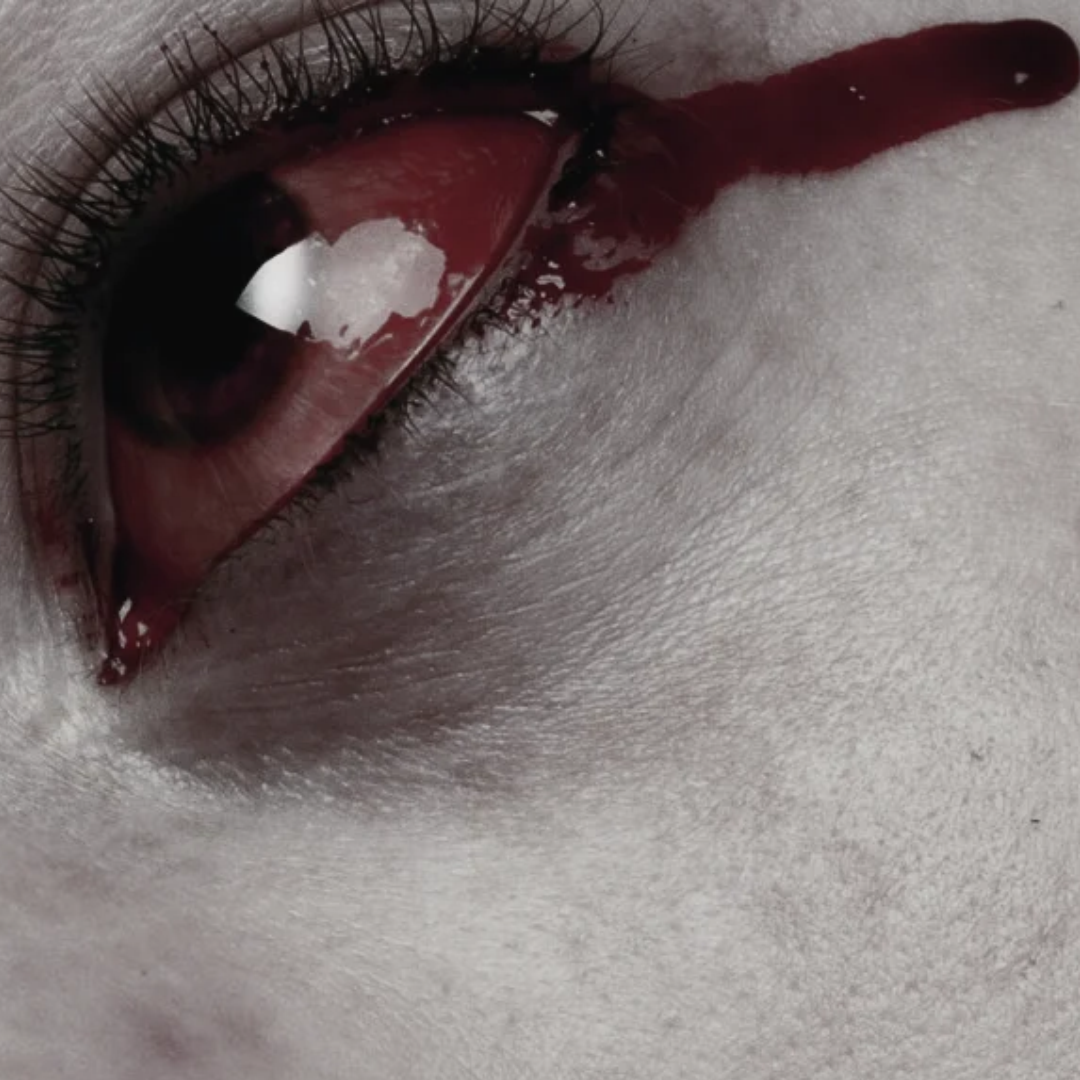
Our worldly perception is momentary; our obsession, instantaneous. Though the internet has borne significant discussion and discourse, social platforms have undoubtedly become the living foundation of the 21st century. This is no controversial standpoint, nor is the emerging online society some revolutionary notion; however, the significance of the modern internet must first be acknowledged when examining just how significantly media has affected Gen Z’s perceptual psyche. The internet is the platform through which we—the current generation of young adults—communicate, socialize, and develop not only ourselves, but also our understanding of others. As a result, our developing uniculture is uniquely materialistic and obsessed with the external. Constant consumption for instant gratification: this miniature feedback loop is the modern driving force for social affluence, and as a result, much of our worldly digestion and acceptance among our peers is based on what we can absorb in a single instant. We have an obsession with the aesthetic, the beautiful, the accessible, and the outlandish—whatever is the most attention-grabbing object in any given moment. This is the contemporary human condition.
Superficiality is the standard of the ego of this decade; the basis of a longing for extrinsic perfection. Every piece of modern media competes to demand attention from the masses, so how do we adapt and compensate? We must demand attention ourselves. In a world hyperfocused on the external, beauty is almost a guaranteed measure of success. But has it always been this way? Of course, people naturally gravitate towards what they are attracted to, but to obsess over cursory appearances is a recent development, at least to the contemporary extent. As a result, modern society has been conducive to the mainstream normalization of surgical availability and alteration. Cosmetic surgery is no longer extraordinary; it is expected, and almost every figure in the public eye has succumbed. Those who haven't are still expertly styled and groomed in ways the average person is incapable of replicating without monetary means. As such, people who once would have been considered exceptionally beautiful are instead blatantly ordinary, simply the public standard. This is the pipeline of cultural influence, to cultural compliance, to cultural normalcy, for better or worse.
We no longer appreciate the beauty that is intrinsic to humanity, the beauty in imperfection; instead, we idolize the extrinsic paragon: the human that isn’t. The human that isn’t is labeled as such because they exist instead as a product. Mass media, alteration, and consumerism are the foundational pillars of a figure in the public eye, of a person who simply doesn’t exist. Furthermore, the object of our longing is simultaneously the embodiment of centennial desperation, bullying, and discrimination—yet our fatalistic obsession with the ‘unhuman’ resounds. We love what resembles us but lacks the imperfection and depth of a human being; we are in love with a concept, and this delusion is the catalyst for self-destruction.
Though this notion is doomerist at its core, the cultural degradation has already begun. As a unit, we societally claim resilience toward external pressures regarding presentation and consumption. Media influence is ingrained in our very dialect, as Gen Z–curated lingo is almost exclusively dependent on the cultural turn. It started with pretty privilege, and now you’re a chud if you don't constantly and consistently mog. A man who struggles romantically is now permadoomed to inceldom, and, if a woman is the inverse, she’s simply a hypergamous foid by nature. Both sentiments, of course, occur solely because of physical appearance—personality couldn’t possibly be a factor. Brutal. Thus lies the foundation of blackpill philosophy, the mainstream integration of looksmaxxing, and the rise in eating disorder statistics. These noticeable trends reflect a larger framework of genetically predetermined ideology, which has henceforth shaped the future of socialization.
Though Gen Z has made appearance a primary motivator and foundational pillar of social interaction, both beauty and interpersonal relations are equally fleeting. Aestheticist discrimination, through which people judge the value of others based on physical preference, is limited to the times and places where it is applicable. This societal condition cannot be maintained forever, because truly, humans long for connection above all else. The primary vice of our generation, our cultural monomania, is in fact unsustainable. In truth, no matter how we present ourselves, we are imperfect and impermanent human beings who, despite it all, want to build relationships with others. As a young generation, Gen Z is desperately scrambling, learning to love one another. Easily, we could destroy ourselves, yet we haven't. In our culture of extremes, we haven't yet crossed the line, and this is what is beautiful about this incoming generation of young adults. In our culture, which idolizes youth and obsesses over the extraordinary, we love one another; we crave acceptance. In the midst of the media’s manufactured man, we are simply human.
Written by Gia Shepherd, Design: Isabella Nolasco