Maslow Vs. Michelangelo
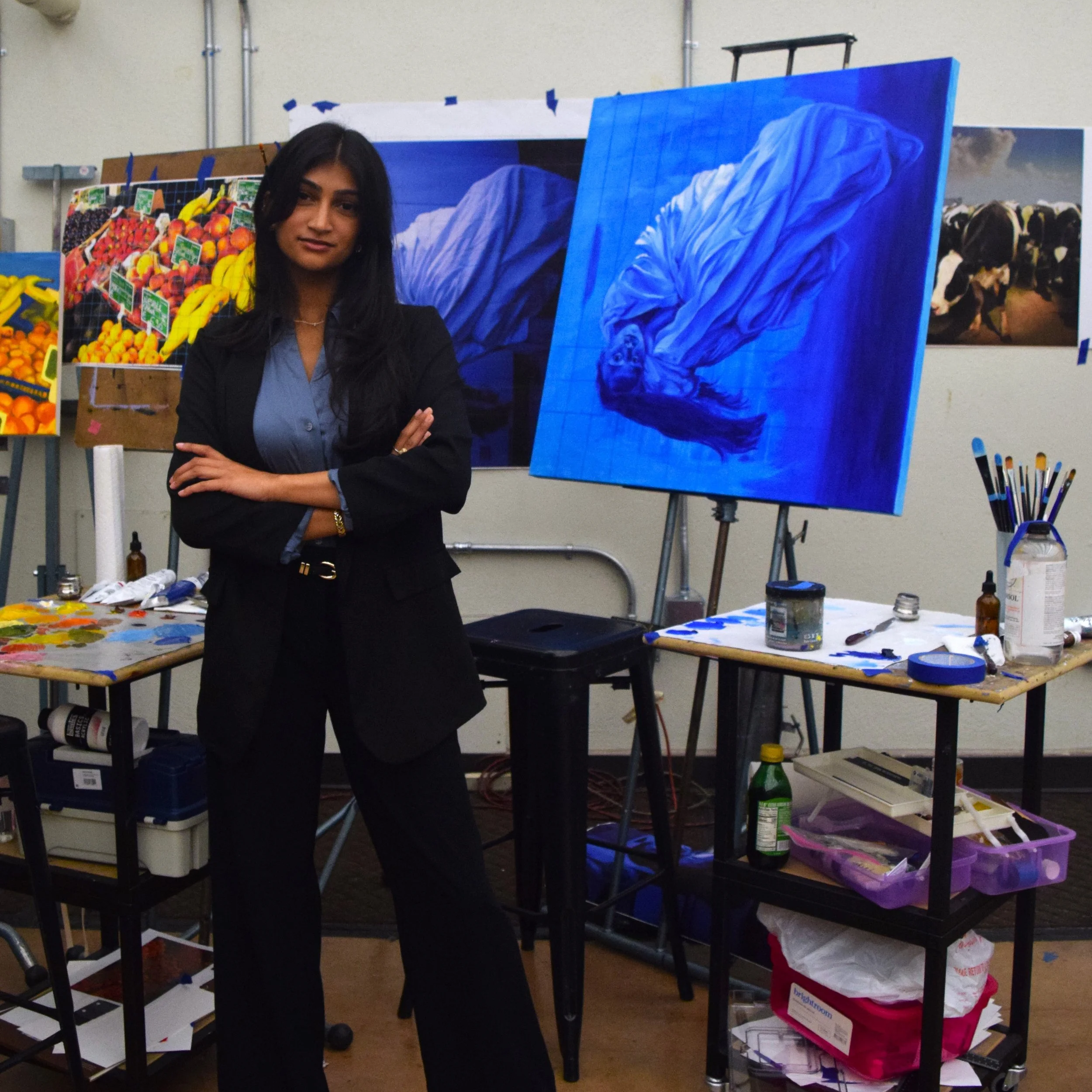
American psychologist Abraham Maslow’s hierarchy of needs outlines five levels of human needs as the following, starting from the base: physiological, safety, love and belonging, esteem, and self-actualization. These five levels form a pyramid that has been deemed to determine what is essential in our lives and what isn’t. The question is, where does art fall in this model? Creative endeavors are usually placed by psychologists in the “self-actualization” category, as one’s creation and appreciation of art represents the desire to fulfill one’s full potential, self-expression, and creativity. But this cannot always be the case—art can be created at any level, by anybody… right? Art, like science, plays a fundamental role in shaping human experience, and its significance cannot be confined to a single level of Maslow’s hierarchy. It threads itself through every level, and when viewed this way, reveals that art and science are complementary forces rather than competing ones.
Art isn’t something that is stagnant, and it certainly isn’t something that can be conformed to fit into a specific level of human necessity. Art means something different to everybody and serves different purposes within our lives at different times in our lives. Physiological needs may be Maslow’s outlined base level, but the existence alone of “starving artists” shows not that art supersedes basic survival needs, but rather that some individuals choose to prioritize creative expression, even when it conflicts with their most foundational needs. Safety is next in line, yet some of the world's greatest artworks have been created in the middle of war and chaos, with no security in sight. Love and belonging aren’t necessarily required either—anyone who’s been through heartbreak or loss knows that grief can fuel creativity like a wildfire. Furthermore, success in one’s art can bring someone a new sense of esteem and accomplishment. If art can take its rightful place within any level of our hierarchy of needs, how does that translate into the careers we pursue and lives we live? Is there a connection between the two and how they are rewarded differently within our society? Are meaning and survival bound by a shared dependence?
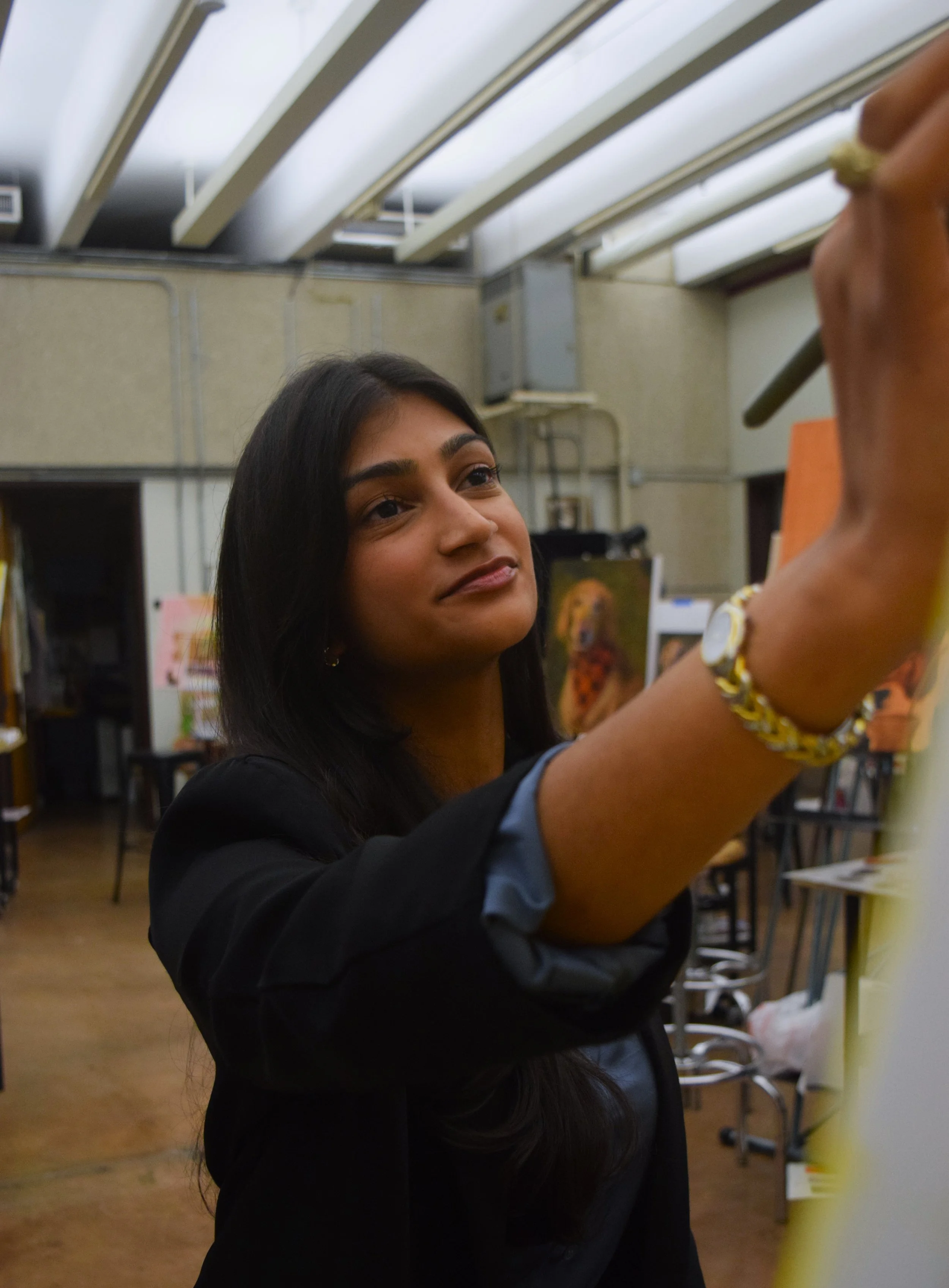
This tension between survival and meaning isn’t just theoretical—it shows up socially, culturally, and even comically. A popular media example that addresses this conundrum with satire and wit is episode six of Seth Rogan’s “The Studio” , which dissects the importance of medicine and art, and how the two differently contribute to our society. While at a charity gala with a pediatric oncologist, the protagonist of the television show (a big shot Hollywood producer) quickly butts heads with the doctors surrounding him after finding that they do not hold the same appreciation for film as he does. The episode pokes fun at how easily society places medicine at the base of the pyramid while relegating creative work to the peak, as though the two are fundamentally incomparable. What the episode cleverly exposes is the reflex to categorize human contributions the same way Maslow categorizes needs: from basic to “optional,” as well as highlighting how one’s ego can easily get in the way of recognizing the distinct ways that medicine and art contribute to our experience of the world.
Instead of asking which field is more important, why compare them at all, when both shape the human experience in different yet equally vital ways? Is Michelangelo’s Statue of David more or less significant than William Harvey’s understanding of human pulmonary and systemic circulation? Over a century before Harvey published his groundbreaking discovery of the human body, the Statue of David features genius knowledge about the human circulatory system, as Michelangelo precisely sculpted the distended jugular vein. This parallel shows that art and science often arrive at truth from different angles, neither diminishing the value of the other. If the physician extraordinary to James I is celebrated for his understanding of the human body, shouldn’t the sculptor also be recognized for his anatomical insight expressed through art? Each, in their own way, demonstrates mastery that has left a lasting impact on human knowledge and experience.
People often joke about whether saving lives beats staging a play, but the reality is that art can profoundly affect the way that people live, influencing mental and emotional states in ways that also impact physical well-being. A doctor can save a life, but art can make a life worth living, nourishing the mind and spirit in a way that fosters depth, resilience, and clarity. The intersection becomes clear when realizing that, when art lies in the eye of the observer, medicine itself can become art in the right set of eyes. The problem, then, lies within the ego-driven belief that one path or passion is more important than another, a belief that can be overcome by learning to understand how art and science complement each other in shaping the human experience, and by appreciating the differences and necessity of both natures. When people map their success and self-worth in accordance with Maslow—or even the imaginary pyramids we build ourselves—creativity is devalued far too often. Survival without meaning is an emptiness of existence, but meaning without acknowledgement is an effort dismissed before it’s ever understood.
Written by Lillian Glassmoyer, Photography: Ella Trask, Social Media: Lauren St. John, Styling: Anaya Hooda