

Indigo Royalty
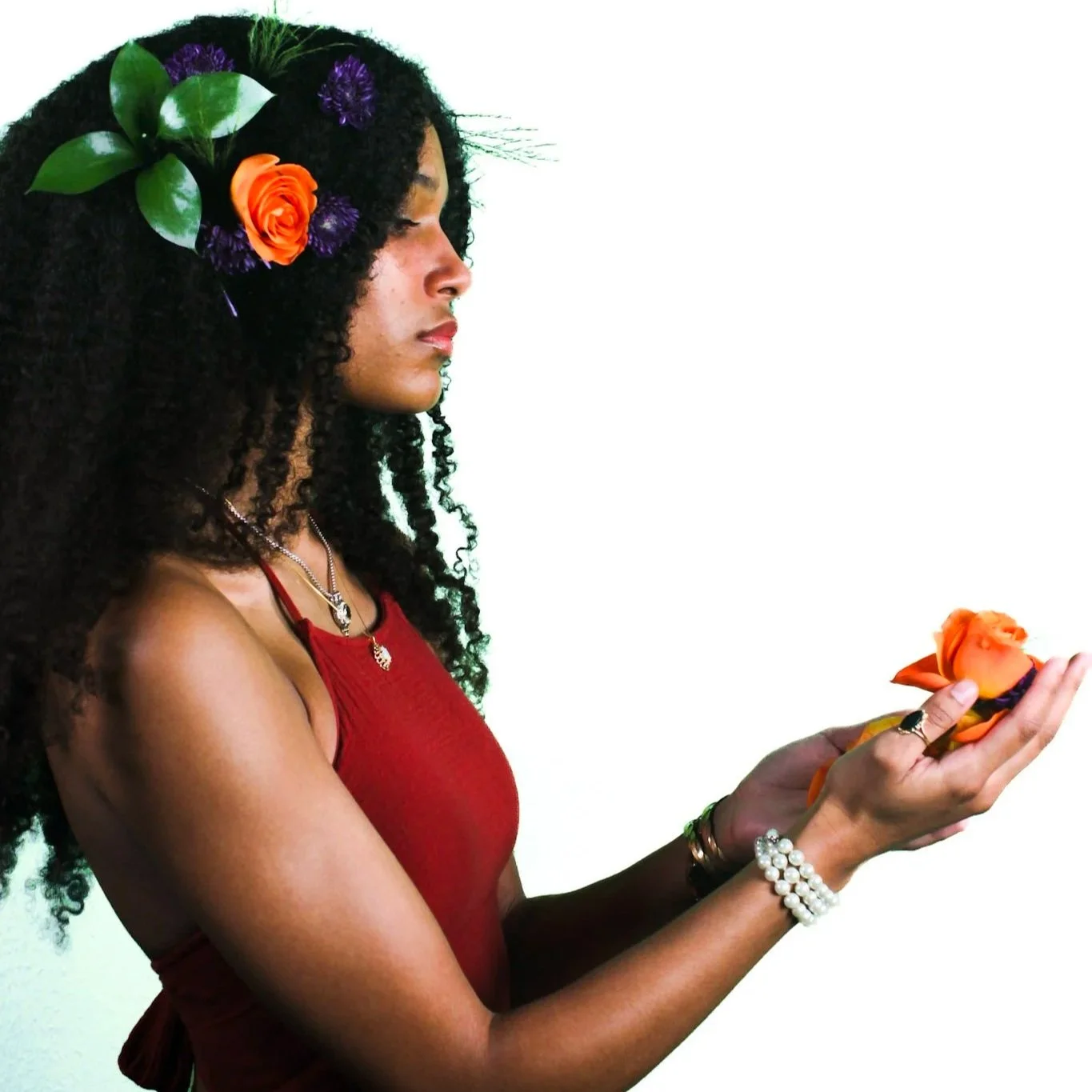
“Father, I stretch my hands to thee;”
Blue-dyed fingers grip the indigo plant, the green leaves sealing the fates of many within the American South as they are forced to pick this crop. Those of the southern plantations, especially descending from the Gullah Geechee, have unique and deep ties to this plant, trapping them in the duality between royalty and slavery.
“No other help, I know…”
Before colonization, those traveling across the West African coast, specifically along the countries of Ghana, Togo, and Benin, could find miles and miles of lush green indigo farms. A highly revered plant within many West African societies, largely due to its beautiful and rich royal blue color, indigo was used as a dye within the region as far as 700 years ago. Elders and those of importance in many tribes would signify their honor by adorning indigo-dyed robes, the beautiful blue attracting the eye to the wearer. The blue complemented everything it was paired with and was highly coveted, not only by the African tribes, whose traditional experience with the plant was deeply spiritual, but also by the Europeans, desiring resources and labor.
“O! whither shall I go?”
Traveling across the Atlantic Ocean through the Middle Passage, where enslaved persons were subject to brutal torment, torture, and conditions, came the indigo plant. Its rich blue color cemented itself within the new continent. Indigo plantations popped up along the Southeastern coast of the United States, as enslaved Africans, specifically from Ghana, Benin, and Togo, were forced to cultivate the crop. Having grown the plant in their home countries, enslaved people were forced to grow the plant for the white plantation owners who made millions off of it.

“What did Thine only Son endure,”
A once highly coveted and sacred plant, worn by the aristocracy of many West African tribes, had been bastardized by the Trans-Atlantic slave trade. Those who had once held the plant in regard, who deemed it a dye of royalty, were now forced into their lowly positions, mocked by their predicament. That is—if the indigo plant, as well as its caretakers, were not so resilient.
“O speak and I shall live;”
The indigo dye could not be removed from its significance to those enslaved Africans in the southern United States. Peoples like the Gullah Geechee and many coastal African American communities transformed the dyed finger look, common among indigo cultivators, into a version of hand markings called Elukami. These markings were significant in many communities and practices, like Hoodoo, and were a sign of resistance for those enslaved. Symbolizing the hard work and connection to the ancestors who came before them, enslaved African Americans wore them with pride, dyeing their fingers and palms intricate patterns with the deep blue dye.
Indigo-dyed denim garments worn by enslaved workers gradually became a symbol of resistance. Over time, they were embraced not only by working free African Americans during the Jim Crow era in the South but also co-opted by other working-class movements in their fight for equal rights and labor protections. The indigo plant had been reshaped into a new kind of royalty, one that kept communities together and strong. From honor to slavery to royalty, this plant and its dye hold deep cultural ties to millions worldwide, symbolizing resistance and grace in the face of adversity.
“O let me now receive that gift!”
Written by Erik Reichmeider, Photography: Shivank Rana, Social Media: Madileen McPeters, Styling: Mykal Cabigon