

Unlearning the Savior Complex
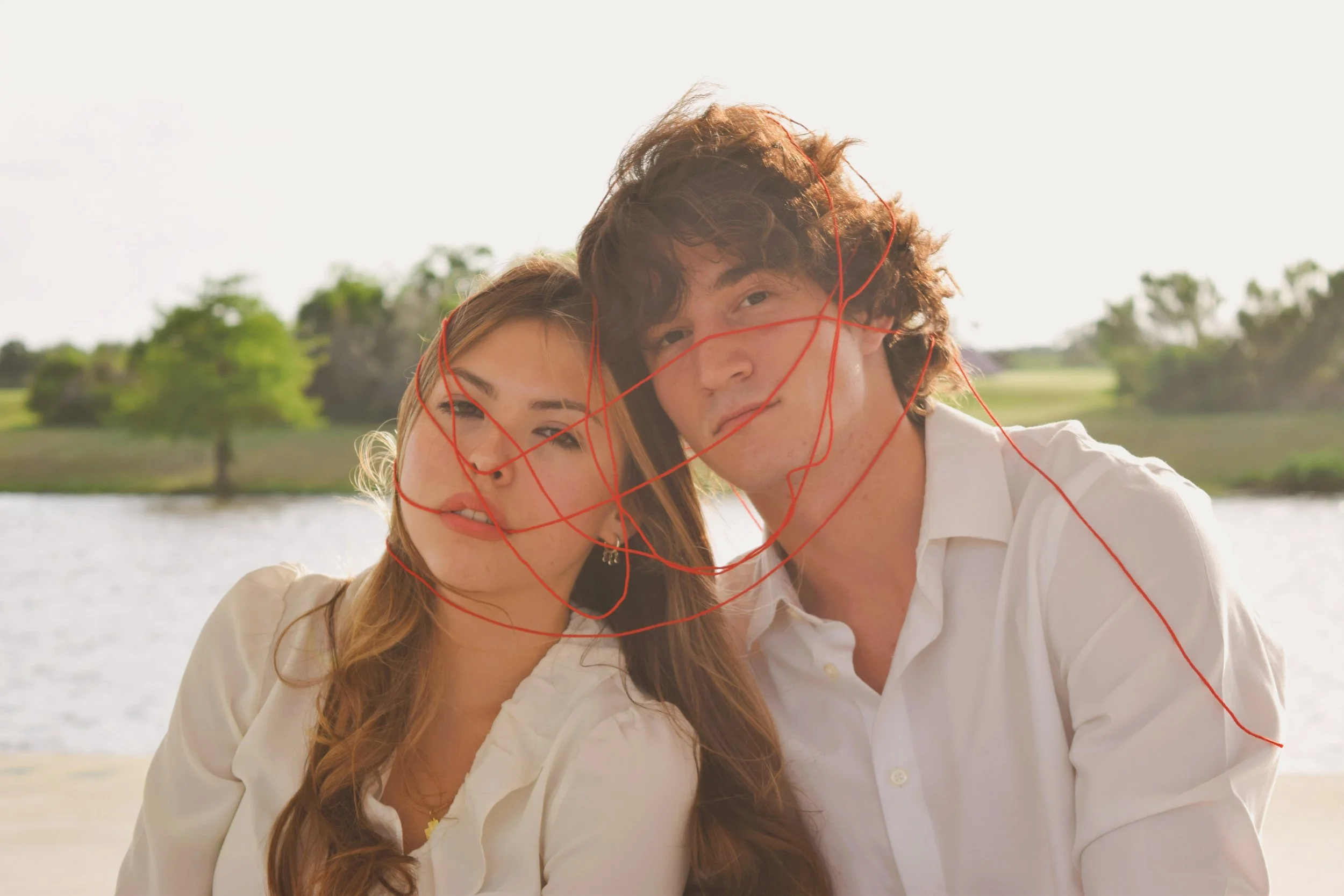
“Emotional affair, overly sincere”
“Smoking in the car, windows up, crocodile tears, run the tap ‘til it’s clear”
What makes a fantastic song can make a terrible habit. “Savior Complex” by Phoebe Bridgers is an anthem for complicated relationships and the struggle of letting go of the need to be needed. To feel like we’re helping the people we love, like we’re somewhat beneficial to their lives, is hardwired deep within us as human beings. We crave the feeling of protectiveness, of nurturing, the necessity of our presence to another, and in that cycle of giving and receiving, we begin an “emotional affair” with ourselves. The truth is, the act of “saving” another is rarely “overly sincere” and, more often than not, serves our own interests to feel needed.
“Turn me on, and turn me down”
“Baby, you’re a vampire, you want blood, and I promised I’m a bad liar, with a savior complex”
What exactly is it about Phoebe Bridgers’ “Savior Complex” that so easily relates to the experience of being low on self-respect and high on love? The song from the Grammy-nominated Punisher (2020) album is for the ones who love a challenge. For the ones who see the red flags and choose to ignore them. For the ones that white-knuckle the hope that “maybe it’ll be different this time,” and for the ones who accept that it won’t be. In an interview with Genius, Bridgers describes the song as a “sequel to Moon Song,” and that it is meant to encapsulate the feeling of “[getting] what you asked for and then you’re dating someone who hates themselves.” For all the control freaks out there, who are we if we’re not the ones holding everything together, and how can we learn to love someone without trying to fix them—including ourselves?

Control is only fear wearing a costume and demanding it be called wisdom, and there is a unique yet quiet strength found in letting it go, in accepting what is, what isn’t, what will change, and what won’t. The lyrics of “Savior Complex” explore the psychological construct of avoiding one’s own problems while gravitating toward those who struggle to take ownership of their own actions, creating a terrible push-pull between white-knight and distressed. Everyone wants what they can’t have… At the end of the day, do all self-proclaimed saviors just want to be saved? Is the intense pull to help others only a subconscious response to needing help? This construct can feel addictive when the unpredictable variable of love is thrown into the equation. It starts a war between weaponized incompetence and weaponized supportiveness, and both only fuel the other.
I once heard someone relate the “turn me on, and turn me down” lyric to turning on the car radio—something to keep as background noise, but not as company, and certainly not something they actually have any interest in listening to. Sometimes people keep others around just so they’re not alone, not because they actually appreciate or love them. Don’t let yourself be someone's car radio. It’s never worth it to be the background noise of someone’s life. Wait until you’re someone’s favorite song, and they’re yours.
“Show me yours, and I’ll show you mine.”
This elementary exchange is what centers the song, and ultimately, the majority of a savior’s romantic relationships. Though the phrase’s sexual origins persist, the playful flirtation in the lyrics lays out a calculated vulnerability in terms of honesty, trust, and emotional curiosity. I believe that there is a certain safety to be found in exchanging a vulnerability, a feeling, a thought, a deep secret with someone after being entrusted with theirs. It is a kind of intimacy to share that with another that transcends the physical—the kind that makes you a man of your word and a truer test of character than any tangible act. Opening up the mind to another, much less the heart, takes real courage—and when you’re stuck with a “savior complex,” it also takes a hit to the ego. We can try and believe all we want that others are always the ones who are drowning and we are the ones dragging them to shore, but what we fail to realize is that if we didn’t have them to drag, we all would’ve hit the seafloor a long time ago. When you’re proclaiming yourself as a savior in your relationships, you’re failing to admit that you enjoy the attempted saving, even when it rips you apart, because it is often familiarity that you’re chasing, not love. Whether it’s a subconscious coping mechanism or an attempt to heal an inner wound by fixing someone else's, it’s harmful to all parties involved. The song ends with only the first part of the phrase serving as the final lyric, “show me yours,” but this time with no sung response. As a listener, it resonates as a rejection, an isolation, a letting go of what is so clearly not ours to begin with.
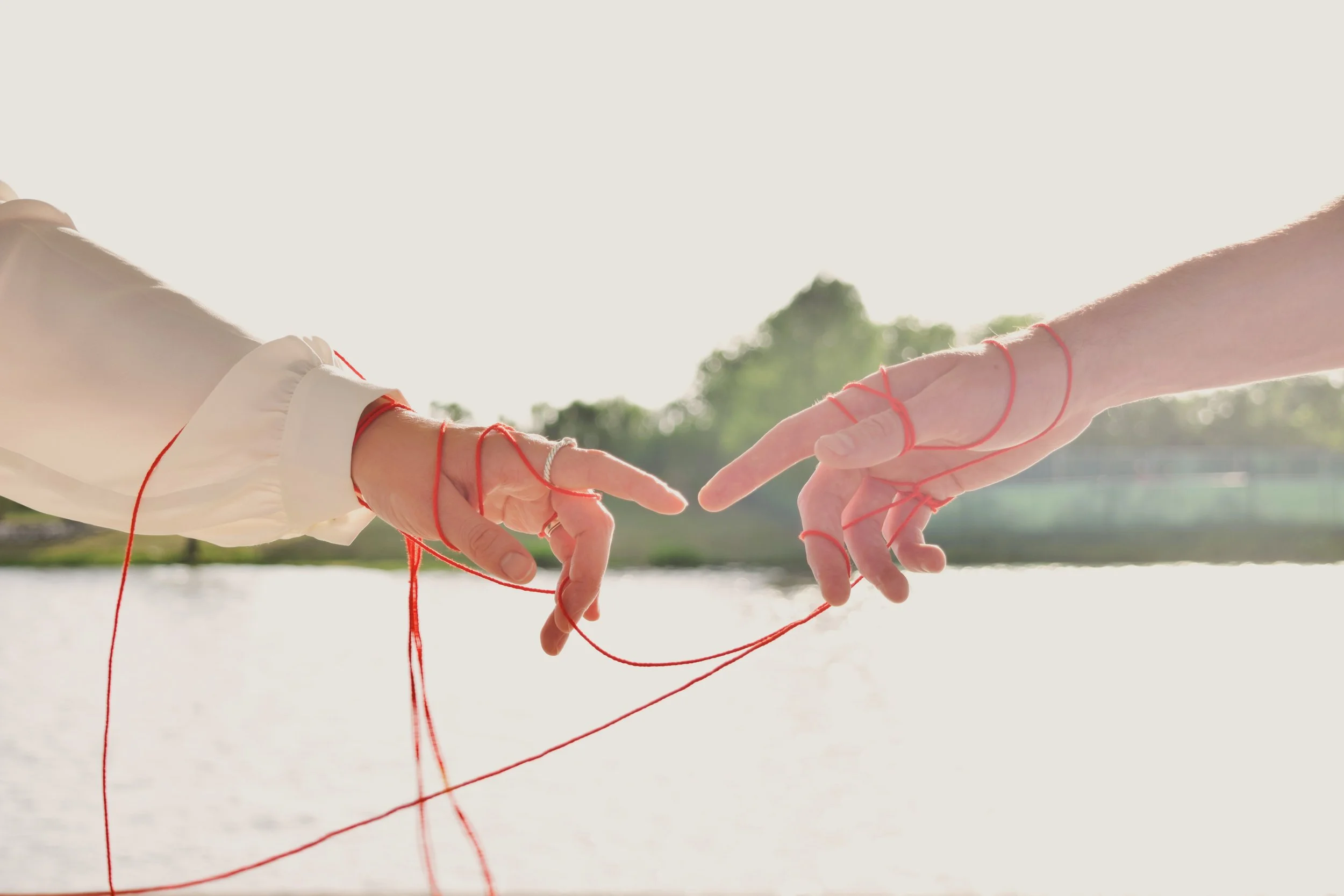
When I think back on past relationships, I have placed myself in the role of savior a number of times. I convinced myself that the people I loved needed me, that I could help them, that I could open their minds and their hearts, and that they would return the favor. It was inconceivably scary that perhaps I was never necessary to their lives… that I, the knightress in shining armor, who would teach them the power of compassion and connection… was totally irrelevant. Looking back, I can see how easily I let “helping” become a substitute for actually being seen. If I were tending to someone else’s chaos, I wouldn’t have to sit with my own. If I were deciphering their wounds, I wouldn’t have to ask why I kept choosing people who needed fixing more than they needed me. Being indispensable to someone's damage creates a different kind of wound: It’s an intimacy of sorts, but not the same kind as being chosen. After everything, I don’t think the point is to stop caring. It’s to stop confusing care with control.
People don’t unfold on command, and love doesn’t become real just because you think you’ve worked hard enough to earn it. The most important thing to remember is that potential is not a place you can live in with another person—and it’s absolutely not a place to play savior.
Written by Lillian Glassmoyer, Photography: Ella Trask, Social Media: Alicia Bernal, Styling: Paola Estrada, Event: Addisyn Dowlearn